

GLP-1 Weight Loss Injections and Doctor Led Care
Prescription weight loss injections and a doctor supervised program can help your weight loss efforts count for more. IBI Wellness offers prescription weight loss medications to help you manage hunger and food cravings. These medicines support appetite control, making it easier to stick to a healthy eating plan without having to rely on willpower alone. Weight loss drugs are not right for everyone and obtaining a prescription depends on the results of an assessment done by your doctor that looks at your current health, medical history, and your goals.
It is a good idea to familiarize yourself with the different medications available, how they are used and the potential side effects and risks but you do not need to know which medicine to ask for before you meet with us. We will help you understand the options and determine if GLP-1 medication is a good fit for you.
SubscribeThe Origin Of Injectable
Weight Loss Medications
This family of medicines grew out of research into gut hormones and were developed to help with blood sugar control in people with diabetes. Researchers also found that the treatments reduced food intake and individuals who were taking them also lost body weight. This led to weight management research and future approval by the FDA to use these same prescription drugs in higher doses to treat obesity.
This connection makes sense because the body sends signals after a meal that affect both blood sugar and hunger. Researchers began studying how those signals could help treat obesity, as well as diabetes.
These injections are prescribed medical treatments, not general wellness shots. Understanding the signals they act on in your body helps explain why they can change how hungry you feel.
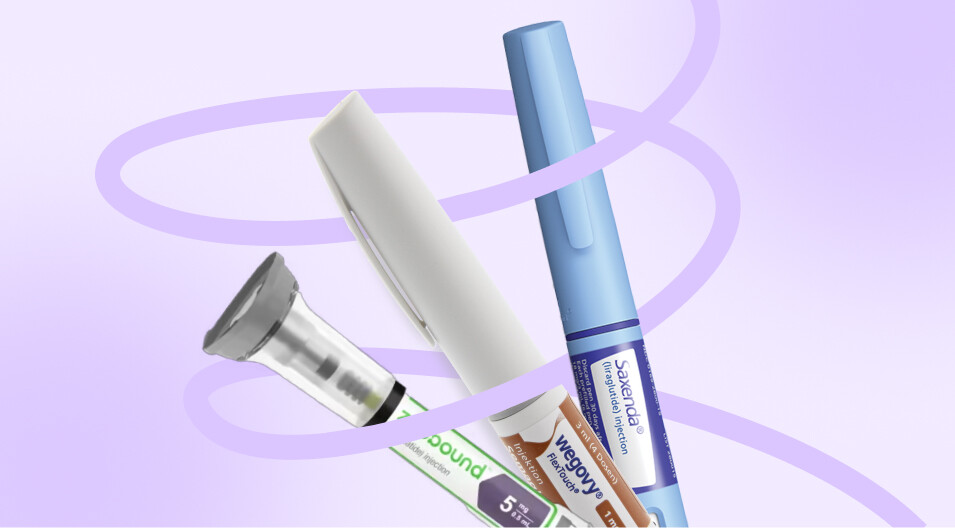
Today in the United States there are three injectable medications for weight loss, which include Saxenda (liraglutide), Wegovy (semaglutide), and Zepbound (tirzepatide), with a third called retatrutide finishing up clinical trials and available soon.
How Do GLP-1 Medications Work
For Weight Loss?
GLP-1 medicines copy a natural gut hormone that helps control hunger and the feeling of fullness after a meal. They act on brain and gut receptors to help reduce appetite. Receptors are places on your cells that receive signals.
GLP-1 stands for glucagon-like peptide-1, which is a hormone your body naturally produces and releases when you eat. These medications are called GLP-1 agonists and they attach to a cell receptor and turn it on, much like the body’s own hormone. These medicines can also slow stomach emptying, so food leaves the stomach more slowly, which keeps you feeling full longer.
Smaller meals can feel satisfying, and thoughts about the next snack may be less constant. People sometimes call those repeated thoughts or cravings for food “food noise.” Reducing these cravings can make it a bit easier to make healthier daily food choices.
Medicine does not replace eating habits or getting enough exercise, but It can help you keep up those habits when hunger makes them hard to maintain. Making good food choices and engaging in enough activity are very important parts of a weight management plan, and are meant to be used together with GLP-1 treatment and ongoing follow up.
GLP-1 Medications
Used For Weight Loss
Today’s main options for weight loss medications are GLP-1 receptor agonists and dual GLP-1/GIP receptor agonists. The difference between these types of injections for weight loss is which hormone signals they copy.
GLP-1 receptor agonists: These activate the receptors for the GLP-1 hormone.
Semaglutide works by copying one hormone your body already makes called GLP-1 that helps control your blood sugar levels and regulates how full or hungry you feel after eating. By acting like your naturally made GLP-1, semaglutide helps slow down digestion, lowers your blood sugar, and makes you feel full longer. This means you naturally eat less without feeling like you are starving yourself, and it can help you gradually lose weight. Research shows that patients who used semaglutide for 15 months lost an average of between 45 and 50 pounds, or about 17.3% of their starting weight.
Dual GLP-1/GIP receptor agonists: These activate both GLP-1 receptors and receptors for GIP, another natural gut hormone involved in blood sugar control.
Tirzepatide offers stronger benefits for weight loss because it mimics not only the GLP-1 hormone but also another one called GIP (glucose-dependent insulinotropic polypeptide). Both of these hormones work together to regulate your appetite and control your blood sugar. GLP-1 influences the signals sent from your brain when you are full, and GIP helps with insulin levels to ensure your body uses sugar more efficiently. Together, they help stop food cravings and boost your metabolism, which makes it easier to eat less and burn more fat. Patients with obesity who used 10-mg and 15-mg doses of tirzepatide lost an average of between 50 and 65 pounds, or between 19.5% and 20.9% of their starting weight, after 72 weeks.
Retatrutide is even stronger, and according to the data that has been reported to date from the trials, offers the most significant weight loss results of all of the GLP-1 options.
It targets three hormones including GLP-1, GIP, and glucagon. Similar to semaglutide and tirzepatide, it can help control your appetite, streamline your metabolism, and regulate your blood sugar, but with the addition of the glucagon-mimicking hormone, it may also increase how fast your body burns calories, making it the most effective medication to date when used for weight loss. Patients who used this triple-action retatrutide lost between 60 and 75 pounds in 10 to 12 months, according to the clinical studies to date.
We prescribe brand name treatment when appropriate. A compounded option is reserved for a personal medical need, such as an allergy or a needed dose that brand products do not offer.
How Do GLP-1 Medications Compare?
The main class difference is which hormone receptors the medicine activates.
to see the entire table
| Semaglutide | Tirzepatide | Retatrutide | |
|---|---|---|---|
| How much can you expect to lose? | 45-50 lbs in 68 weeks | 50-65 lbs in 72 weeks | Up to 60–75 lbs in 68 weeks (based on clinical trials) |
| Administered By: | Subcutaneous injection | Subcutaneous injection | Subcutaneous injection |
| Frequency | Once a week | Once a week | Once a week (in trials) |
| Which natural hormones does it copy? | Single Action GLP-1 receptor agonist | Dual Action GLP-1 and GIP receptor co-agonists | Triple Action GLP-1, GIP, and glucagon receptor agonists |
| Dosage Schedule | 0.25 mg, 0.5 mg, 1.0 mg, 1.7 mg, 2.4 mg | 2.5 mg, 5 mg, 7.5 mg, 10 mg, 12.5 mg, 15 mg | Not yet FDA-approved (doses not finalized) |
What Are Compounded GLP-1 Medications?

When GLP-1 medications were initially introduced to the market, the demand for them quickly outpaced the available supply. Patients who were already using these medications were having a hard time continuing their treatment, and new patients were put on very long waiting lists.
To help ease these issues, the FDA declared a shortage of these medications, which opened up the option for special pharmacies to make compounded versions of semaglutide and tirzepatide. This means these pharmacies could make their own semaglutide and tirzepatide, and in most cases this was a good thing, and reputable state-licensed compounding pharmacies could help fill the demand, and patients were able to obtain their medication at a lower cost.
In October 2024, the FDA declared the shortage over, and today compounded versions are available under special circumstances. Patients who require a special dosage or a special blend of ingredients to help alleviate side effects can still get compounded semaglutide or compounded tirzepatide with a special prescription.
How To Choose The Right
Medication For You
Dr. Angelina will examine your health and weight history to help determine if GLP-1 weight loss medication is a good choice for you and if so she will recommend the best option for you.
These medications must be used under the care of a qualified doctor, like Dr. Angelina at IBI Wellness, who understands how each medication works and can help monitor your progress and how your body responds. Just because one option may seem stronger or offer quicker results does not always mean it is the best choice for you.
A personal consultation gives you an opportunity to talk with an expert about what has made weight management hard for you. Dr. Angelina and the IBI Wellness team can create a plan that will work best for your needs and lifestyle.
You do not have to navigate your weight loss journey on your own. You will have ongoing support and we will monitor your progress and make any necessary adjustments to keep you on track.
Side Effects and Medical Support
GLP-1 treatment can help with appetite control, but stomach and bowel side effects can occur. Most side effects resolve after your body gets used to the medication but can reoccur during dose increases. If symptoms persist or become worse, report them to the doctor or your care team so they can find the best solution.
Common digestive side effects include:
- Nausea, or feeling sick to your stomach.
- Vomiting.
- Diarrhea.
- Constipation.
Do not try to adjust your medication yourself. Dr. Angelina needs to be contacted for guidance.
How It Works?
Subscribe
Get started for $150/month –
No insurance required!
Meet Dr. Angelina Online
Meet with Dr. Angelina to determine what medication is right for you.
Get Your Prescription
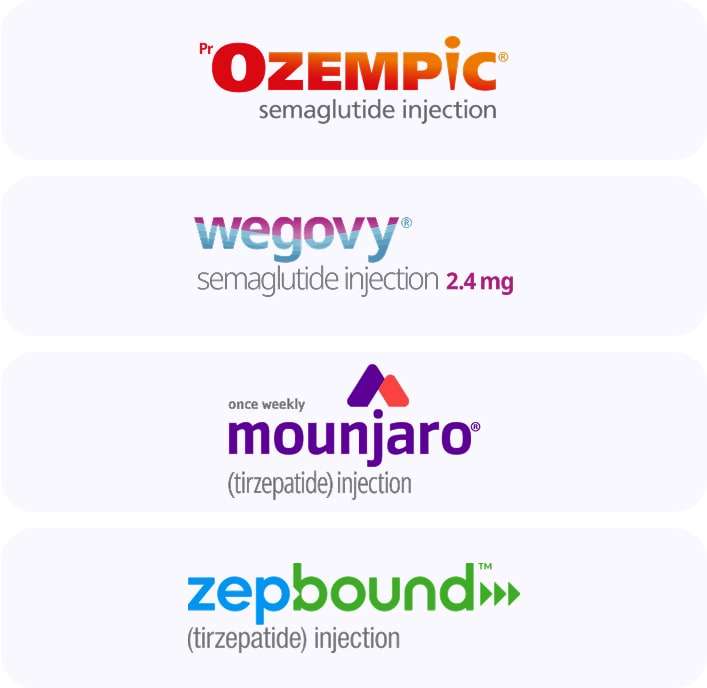
If approved, receive a Rx for Wegovy, Zepbound, Mounjaro, or other.
Monthly follow up
IBI Wellness Programs
eligible patients
* If you do not qualify for the GLP-1 Prescription program, Dr. Angelina may prescribe other GLP-1 medications. Other options will be discussed with Dr. Angelina based on eligibility and in accordance with the current FDA regulations.
FAQs about GLP Prescriptions
GLP-1 injections can help you manage hunger and support weight loss, but the results differ from person to person. The average weight loss for patients when combining GLP-1 drugs with healthy lifestyle habits was between 45 and 75 pounds in 68 to 72 weeks depending on the medication and starting weight. Some people do not lose their expected amount of weight with treatment.
Weight regain is common after stopping obesity medicines, so weight management often needs ongoing care alongside healthy eating and activity.
When used under a doctor’s care, GLP-1 medications are safe for most people, but like any kind of medication, they can have side effects. The benefits of appetite control need to be weighed against possible side effects. The IBI Wellness team will help you decide if you are a good candidate for weight loss injections and help mitigate any side effects you may experience.
Yes, you need to submit an intake form before each monthly renewal, even when nothing has changed. Your form gives our medical team a current update instead of leaving them to rely on last month’s information.
Our GLP-1 membership is self-pay, so you pay the subscription fees out of pocket rather than through insurance. Brand name medication is purchased separately directly from the pharmacy. Any pharmacy coverage is a separate matter under your own plan. We do not bill insurance or handle prior authorization for the subscription. You may find some cost savings if you participate in a health savings account (HSA) or a flexible spending account (FSA) program.
IBI Wellness Can Help You Choose
The GLP-1 That Is Best For You
We help you get started with Dr. Angelina, MD, at IBI Wellness and stay connected as your treatment continues. You will meet with Dr. Angelina virtually, receive a prescription when appropriate, and keep in touch through monthly follow up. Your first visit begins with your personal consultation and determining if GLP-1 medication is right for you.
You can bring the questions that matter to you, whether you are considering treatment for the first time or want help understanding the choices. You can start your membership with us to begin doctor led GLP-1 care. Set up a consultation to get started today.

